%20--%3e%3cstyle%20type='text/css'%3e.cls-0%20{fill:%23C29074;}%3c/style%3e%3cpath%20class='cls-0'%20d='m131%2068.7-15.7-16.7c-0.1-3.7-0.3-4.9-2.4-7.1l-8.2-7.3v1.1c3.5-5.7%204.1-13.4-4.7-20.9l-7.1-5.9-0.9%206.3c-5.2-4.1-9.9-6.7-18.5-7.4l-5.1-0.3%201.4%202.8c-3.7-0.3-16.7-1.4-31.5%2010-6.6%205-9.8%209.1-16.2%2015.9l9.4-0.4c-8.3%208.6-11.2%2019.5-15%2041.7l11-5.8c-1%2010.5%201.8%2020.8%2011.1%2029.4%209.1%208.2%2022.9%2012.3%2029.6%2019.2%206.6%206.6%205.5%2016.2%205.5%2016.2l5-2.6c9.3-5.2%2021.2-13.6%2025.2-29.7l0.1-1.9c3%201%208.3%203.5%209.2%207.8%208.3-4.2%2013.5-8.7%2013.4-19.6%201.3-0.8%203-2.7%203.7-5%201.5-3.7%202.4-7.5%201.8-11.5%201.3-2.2%202.2-5.1-1.1-8.3zm-88.4%2032.7c-7.6-6.6-12-15.8-10.4-27.8l1.2-7.1-11%206.2c3.2-17.4%206.3-26%2014.9-32.9l7-5.4-12.7%200.4c3.4-3.6%206.4-6.3%208.8-7.9%2011.5-8.4%2021.3-11.3%2034.6-8.5l2.8%200.7-1.8-3.7c6.3%200.9%2010.8%203.1%2019.1%2012.3l1-7.8c6%204.8%208.7%2010.5%205.3%2015.8-2.8-2-10-3.6-14.8-3.3-2.5%200.1-5.1%200.8-7.7%202.4-2.2-1.6-6.7-4.7-11.9-4.7-4.6%200-9.3%203.4-9.3%209.4s3.6%2011.3%205.2%2013.4c-4.8%206.6-11%2014.8-11%2024.7%200%205.3%202.5%2011.3%209.1%2017.9%205.2%205.2%2011.9%2011.4%2012.8%2029.2-5.1-7.5-15.7-11.8-31.2-23.3zm23.1-52.3c-1.6-2.1-3.8-6.1-3.7-9.7%200-1.4%200.5-2.7%201.6-3.6%203.3-3%207.8-0.9%2012%201.8l-2.6%202.9c-1.6-1.3-4.5-1.8-6.5-2%200.3%202.3%201.9%205.3%202.3%206.6zm12.3%2083.2c0.7-21.8-5.6-31.3-13.2-39.1-4-4.1-8.4-9.4-8.4-15.6%200-7.6%204.7-14%208.8-20-0.4%2010.2%207.4%2018.1%2012.6%2022.4%207.2%206.3%2011%2011.2%2012.7%2021.7%203.1%200.3%207.3%201.2%209.4%201.9-1.9%2012-11.2%2022.1-21.9%2028.7zm36.9-25.2c-3.8-4.4-9.9-7.1-20.7-9.3-2.5-11.7-9.4-16.7-15.4-22.1-5.8-5.2-9.4-10.7-9.4-17.4%200-4.2%201.3-8.3%204.5-11.8%205.9-7%207.7-10%2014.1-10%203.4%200%208.5%201.1%2011.2%202.4%202.2%201.2%207.8%206.4%2010.1%208.1%202.1%201.9%201.4%201.9%201.8%207.1l16.7%2017.1c1.2%201.3%200.8%201.7-1.8%201.5l-7.4-0.3c-1.2%200-3.6-1.7-3.8-2.2%200%202.2%200.8%205.8%204.2%206.7%202.4%200.9%203.6%202.6%203.5%203.7-2.2%206.1-2.4%205.9-4.7%206.8l-7.8%202.8c-3%201-6.2-0.1-9.2-1.7l-2.4%203.5c3.2%202.1%207.6%204.1%2013%202.4l9.1-3.4c1.1%200.6%201.6%202%201.6%202.5%200.4%206.6-3.1%2010.8-7.2%2013.2zm10.3-18.2-0.9-1.3%202.3-5.9%201.2-0.9c0%203.1-1.2%206.3-2.6%208.1z'/%3e%3cpath%20class='cls-0'%20d='m99.4%2057.6c1-0.2%201.6%200.4%202.3%200.9l6.9%205.7-7.6-11.3c-0.5-0.8-1.5-1.7-3.1-1.7-2.8%200-11%201.6-11%201.6l6.3%203.7c2.3%201.3%205%201.3%206.2%201.1z'/%3e%3c/svg%3e)
Quartz vs. Quartzite vs. Granite
Three names that get confused constantly. Here is what actually separates them.
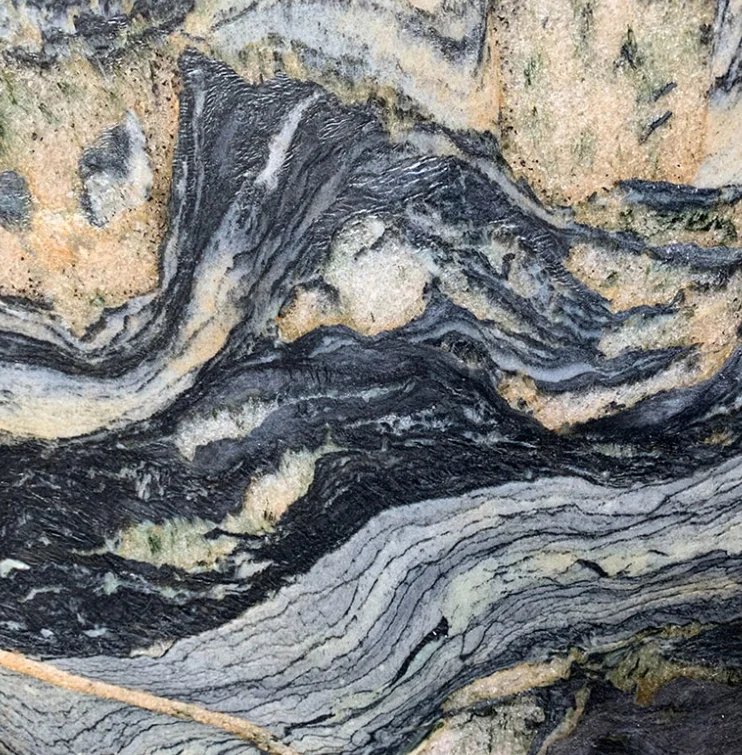
Quartz is engineered
Quartz countertops are a manufactured surface made mostly from crushed quartz bound with resins and pigments. Pattern and color are designed, so slabs tend to be consistent.
The resin content is why quartz behaves differently around heat and sunlight than natural stone.
Quartzite is natural stone
Quartzite is a natural metamorphic stone quarried in slabs. Its veining and color are formed by nature, so every slab is different.
Some stones sold as quartzite behave more like marble or dolomite. Ask how the specific slab handles acids and etching, and test a sample if you can.
Granite is natural stone
Granite is an igneous natural stone with speckled, flowing or dramatic movement depending on the variety. It has a long record in kitchens and is a common outdoor choice.
Practical differences
No material is right for everything. These are the questions that usually decide it:
- Outdoors: engineered quartz is generally unsuitable for outdoor use because UV and heat can damage it.
- Heat: use trivets on every surface; quartz is especially sensitive to direct heat.
- Sealing: natural stones may need periodic sealing, and needs vary by stone and finish. Quartz typically does not.
- Pattern: quartz is consistent; natural stone varies slab to slab and should be viewed in person when possible.